Consensual governance — what nature shows us
We were raised to believe success is autonomy. Managing on your own. Depending on no one. Except that's not what nature shows. 'Every man for himself' isn't a law of nature — it's a story we were told.
We were raised to believe success is autonomy. Managing on your own. Depending on no one. "Survival of the fittest" — the strongest wins.
Except that's not what nature shows.
In nature, prey animals live in herds. Individually vulnerable. Collectively, they get through the most extreme conditions. The isolated predator, meanwhile, misses most of its hunts. The lone wolf doesn't survive long.
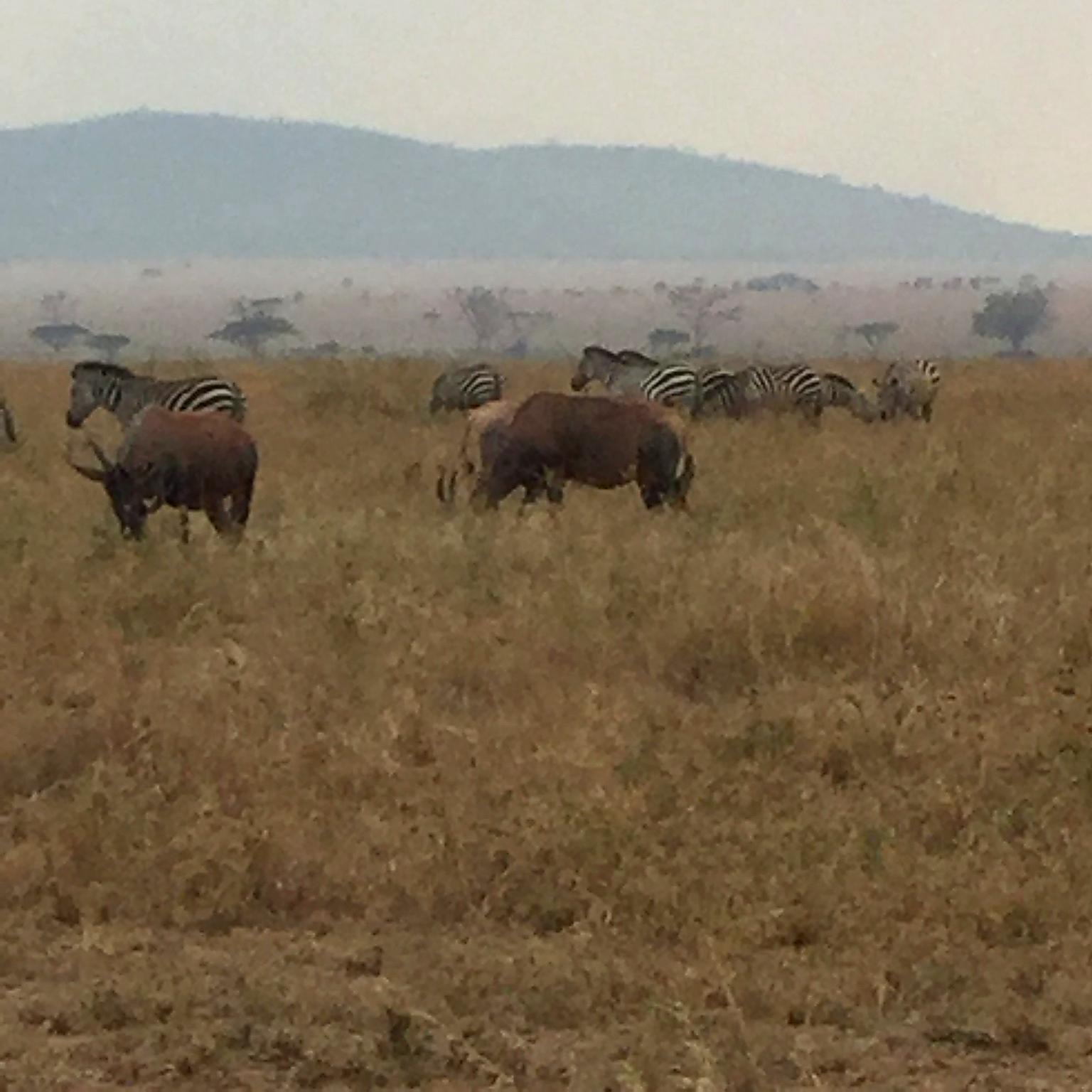
In the savanna, wildebeest live alongside zebras — because zebras can sense whether a nearby predator has already eaten or not. This isn't even cooperation between similar species anymore. It's cross-species, somatic, concrete intelligence. Each brings what the other lacks.
And Darwin's "fittest" never meant "the strongest." It means the best adapted. And the best adapted, in nature, is almost always the one who cooperates.
A horse alone is a horse in permanent stress. Not because it's weak — because its nervous system is built to function in connection. With the herd, it regulates, it calms down, it can rest because others are watching over it.
We're no different.
This is something I've observed very concretely working with horses — and lived through 17 years of entrepreneurship in the living world.
Our nervous system is wired for co-regulation. A baby who isn't accompanied doesn't develop the capacity to self-regulate. And the adult who believes they carry everything alone isn't in autonomy — they're in survival mode.
"Every man for himself" isn't a law of nature. It's a story we were told. One that mostly benefits those who profit from our isolation.
True strength isn't depending on no one. It's knowing how to create authentic, sincere bonds — not reactive bonds fed by our wounds — by returning to what's essential: being human, beyond roles, statuses, functions.