Changing Course Without Changing Destination
When what we are doing no longer gives the results we hoped for, what can we do?
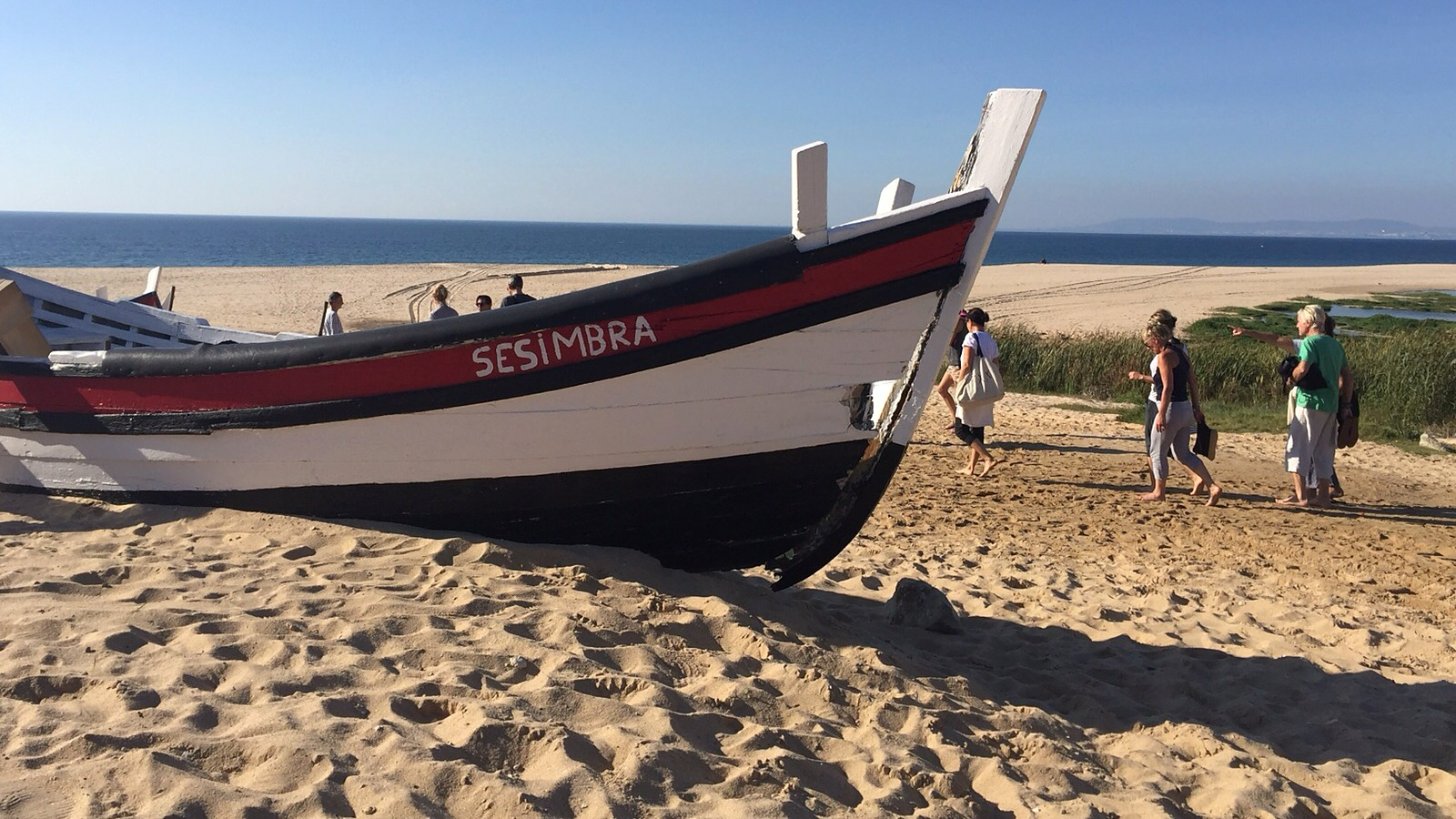
I like the image of a sailboat leaving the Côte d'Azur for Corsica.
The navigator knows the destination.
But they cannot decide the direction of the wind, the state of the sea or changes in the weather.
If they insist on keeping a straight course, whatever the conditions, they risk putting their boat in difficulty.
Sailing means observing, adjusting, sometimes slowing down, changing pace, altering one's route.
And above all, preserving the boat's ability to continue its voyage.
Could our companies, our organisations and sometimes our lives sail in the same way?
We can keep a destination without locking ourselves into a trajectory.
We can pursue an ambition without keeping indefinitely the methods that allowed us to start.
Changing how we do things lets us stay true to what we wish to accomplish. It is sometimes the condition for continuing.
And it happens that the wind and the currents push us toward an island we had not planned.
Like the navigators of old, we glimpse an unknown land.
We can choose to land there.
Spend a while there, discover what we were not looking for.
Then resume our course. Or decide to stay a little longer.
Or realise it was not the planned destination, but that it is good too.
This is what interests me in the notion of emergence.
Not moving forward without direction, but leaving room for what we do not yet know.
An encounter, an experience, an unexpected result can change our understanding of the problem itself.
And sometimes, we discover that the question we were trying to solve was not quite the right one.
Doing less, and observing
This may sound counterintuitive.
Keep our projects and ambitions, and commit fewer resources all at once.
Break our projects into much smaller steps.
Small enough to observe what each one triggers.
Check earlier what really works.
Have certain services paid for when they are delivered, rather than long afterwards.
Test a new commercial condition before seeking additional financing.
Accept not responding immediately to every request.
And observe.
What happens if we change a single variable?
Do clients really refuse new conditions, or did we simply assume they would?
Does an organisation stop functioning if one person stops taking everything on?
These adjustments will not always be enough.
But they can teach us something that permanent acceleration sometimes prevents us from seeing.
Doing less can help us better understand what we are doing.
And sometimes, a small experiment is enough to give us the freedom to set a new rule. Even if we revisit it when reality changes.
The part we maintain ourselves
This is probably the most delicate question.
What part do we play, sometimes unintentionally, in maintaining the situations we wish to leave?
Asking it does not mean making ourselves responsible for everything.
We control neither markets, nor our clients' decisions, nor other people's behaviour, nor unforeseen events.
We are not all-powerful.
But we are not always as powerless as we believe, either.
Between what we endure and what we can decide, there sometimes lies a space we have stopped exploring.
Our habits, our convictions, our fears, our need for recognition or security can lead us to reproduce behaviours that no longer serve us.
A part of us clings to what already exists, even when we want to change.
And it happens that we look for an outside solution — more money, a new partner, a new organisation — before looking at what we might change in our own way of operating.
This gaze requires lucidity.
Not guilt.
It is about regaining a capacity to act.
We often ask ourselves:
"What more must I do for things to get better?"
Perhaps we could, from time to time, ask another question:
"What could I stop reproducing so that something else can emerge?"
For sometimes, change does not begin with an extra effort.
It begins with a different way of looking at what we are already doing.
Behind what we do
Our Identities, These Velcros · The Mirror Ball · What We Advance of Ourselves